Green Horizon Table – A Bali Dining Experience Defined by Nature’s Endless Horizon
1. Introduction to Green Horizon Table
The idea behind the Green Horizon Table at d-alas is built on the beauty of an endless natural view. When a dining space opens up to a wide, uninterrupted horizon, guests experience more than food; they experience a sense of serenity, freedom, and deep connection with nature. In Bali, especially in regions like Ubud, this concept grows even more meaningful due to the island’s iconic rice terraces, lush valleys, and sprawling jungle landscapes.
Green Horizon Table represents a modern approach to scenic dining. It focuses not only on providing good food but also on offering a setting where travelers can relax, breathe, and appreciate Bali’s natural wonders. This article explores how such a dining concept can elevate the entire guest experience, making it memorable and unique.
2. What Makes the Green Horizon Table Concept Special
The Green Horizon Table concept stands apart for several reasons. It is more than a table with a view; it is a curated space shaped by nature, atmosphere, and culinary artistry. Three main elements define it:
1. Vast, Uninterrupted Nature Views Green Horizon Table
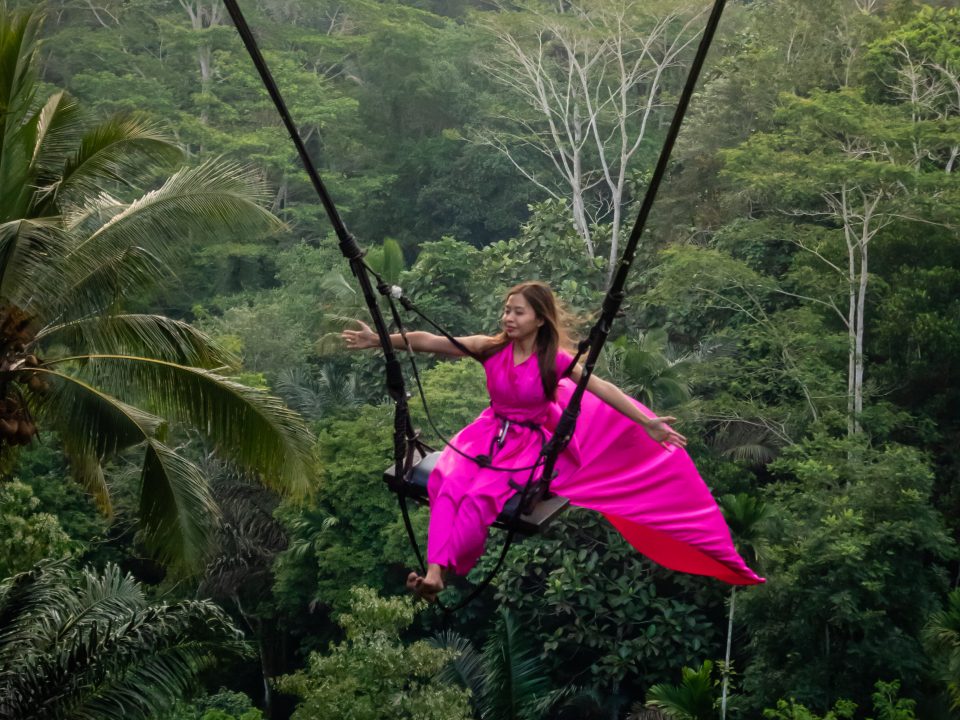
The greatest strength of a Green Horizon Table restaurant is the panoramic view it offers. Whether it overlooks rice terraces, valleys, or jungle cliffs, the horizon becomes part of the dining experience. Restaurants like D’Alas Restaurant in Ubud use this naturally to create a captivating dining atmosphere.
2. Elevated Dining Atmosphere
The horizon itself elevates the experience. Guests tend to feel calmer, more reflective, and more connected to the environment. This makes meals more enjoyable and encourages longer, more meaningful dining moments. Many travelers choose restaurants with horizon views specifically for this emotional effect.
3. Culinary Connection with the Landscape
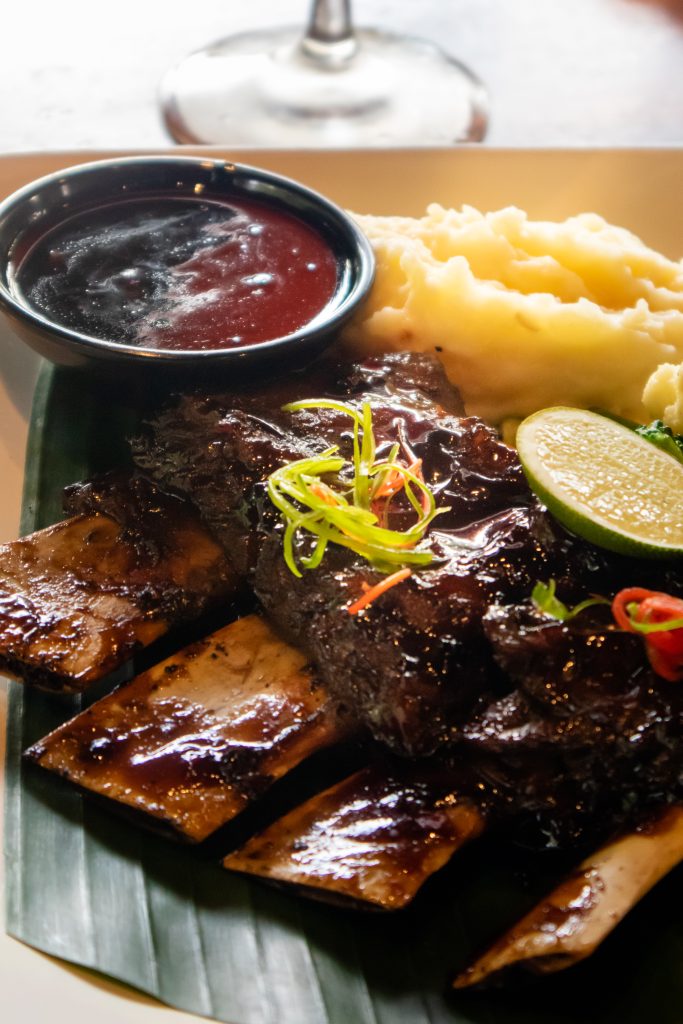
Green Horizon Table dining often includes dishes inspired by local ingredients and the surrounding nature. Balinese cuisine, tropical flavors, and fresh herbs highlight the region’s culinary heritage. When paired with a scenic horizon, the culinary experience becomes deeply immersive.
3. The Ideal Location for Green Horizon Table Restaurants
This concept thrives in specific natural settings that enhance the beauty of the dining environment:
• Rice Terrace Landscapes
Ubud’s terraced rice fields are among Bali’s most iconic views. A restaurant facing these terraces creates a striking horizon effect that attracts visitors from around the world. Many establishments near Tegallalang Rice Terrace benefit from this natural advantage.
• Valley and Jungle Views
Valleys surrounded by tropical jungle offer a dramatic sense of depth. Restaurants built on elevated edges of Ubud’s forested areas often use this to deliver powerful horizon visuals to guests.
• Open-Air Decks Green Horizon Table
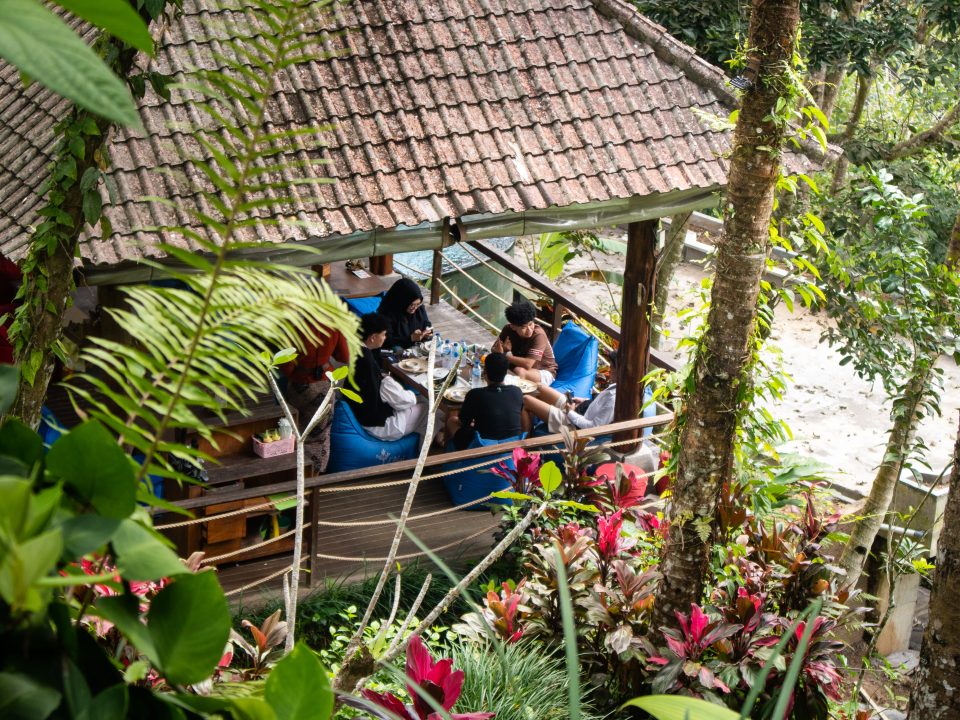
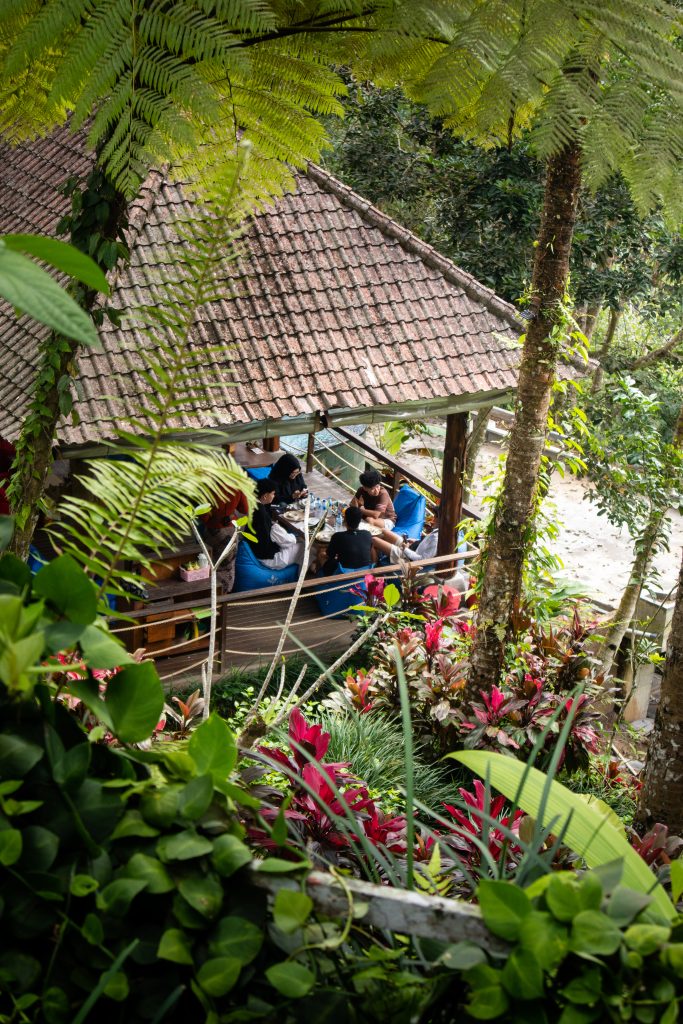
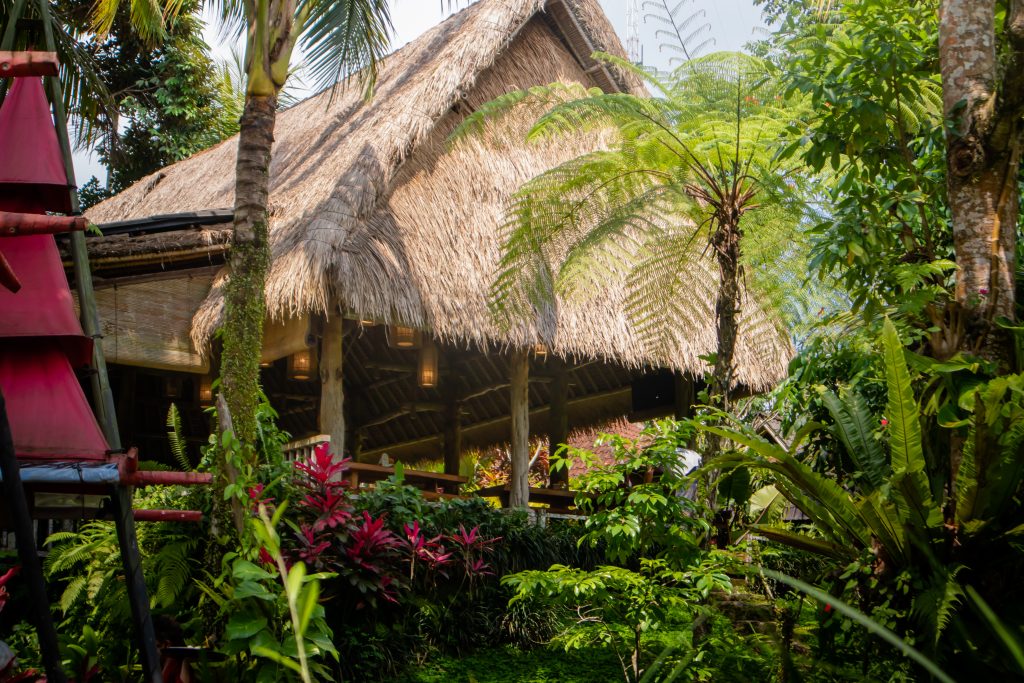
Outdoor wooden decks, bamboo gazebos, and open-air lounges highlight the horizon effect. These structures allow guests to enjoy the scenery without obstruction, making the dining experience more natural and comfortable.
4. Culinary Elements That Bring the Green Horizon Table to Life
Beyond the view, the food plays a crucial role in shaping this dining experience. Restaurants that embrace the Green Horizon Table identity often include:
• Locally Sourced Ingredients
Ingredients from nearby farms and local markets ensure freshness and support local communities. This strengthens the connection between cuisine and culture.
• Authentic Balinese dishes
Betutu chicken, sate lilit, nasi campur, and lawar are often featured to highlight the unique flavors of Bali. These dishes reflect the island’s culinary heritage and pair well with natural settings.
• Modern Fusion Creations
Some restaurants blend traditional Balinese flavors with international techniques. This fusion approach attracts global travelers who seek both authenticity and innovation.
• Nature-Inspired Beverages
Herbal drinks, tropical fruit smoothies, and natural mocktails complement the relaxing horizon view and enhance the refreshing ambiance.
5. Why Travelers Love the Green Horizon Table Experience
Scenic dining appeals strongly to modern travelers who seek more than food. Three main reasons make the Green Horizon Table concept a popular choice:
1. Photogenic and Social Media Friendly
A vast natural horizon becomes an ideal backdrop for photos. Many diners capture their meals and moments to share online, making the restaurant more visible to potential visitors.
2. Soothing and Emotional Atmosphere
Science shows that wide green landscapes reduce stress. Guests often feel instantly relaxed when facing a natural horizon, making the overall dining experience emotionally richer.
3. Cultural and Natural Immersion Green Horizon Table
Restaurants implementing this concept often highlight local dishes, cultural traditions, and natural materials. Guests can savor Balinese cuisine while taking in the island’s beauty.
6. Real-Life Example of a Green Horizon Dining Experience
A prime example of this concept in action is D’Alas Restaurant in Ubud. The restaurant features expansive views of rice fields, jungle trees, and valley landscapes. The combination of nature and cuisine creates a powerful horizon dining experience for guests.
Visitors enjoy balanced flavors, traditional Balinese dishes, and fresh ingredients while the green horizon stretches out before them. Without making it overly obvious, the restaurant also provides insights into Balinese nature, culture, and local experiences through its surrounding environment.
Internal link suggestion: A page on the same website related to other dining experiences, menus, or nature-based attractions.
Outbound link suggestion: A travel guide site that discusses the Ubud area, nature attractions, or local tourism.
7. How Restaurants Can Apply the Green Horizon Table Concept
For restaurant owners or hospitality businesses aiming to adopt this concept, several important design considerations must be addressed:
• Prioritize Clear Horizons
Avoid installing tall decorations or barriers that block the natural view. The horizon must remain the highlight.
• Use Natural Building Materials
Wood, bamboo, rattan, and stone strengthen the connection between the restaurant and nature.
• Outdoor Seating Is Essential
Scenic dining works best when guests can sit outdoors and fully experience the fresh air, sunlight, and natural landscape.
• Gentle Lighting
Warm, minimal lighting preserves the horizon’s visibility during sunset and nighttime hours.
• Natural Sound Environment
Allow the natural soundscape—wind, leaves, birds, flowing water—to enhance the dining ambiance.
8. The Future of Green Horizon Dining in Bali
With the rise of sustainable travel and nature-based experiences, the Green Horizon Table concept is expected to become increasingly popular. Travelers are now seeking restaurants that provide peaceful environments combined with authentic flavors.
As Bali continues to grow as a global travel destination, horizon dining will likely become an important part of the island’s culinary identity. Restaurants capable of integrating nature and food will stand out among competitors.
Conclusion Green Horizon Table
Green Horizon Table represents a dining philosophy that blends nature, culture, and culinary passion. The vast green horizon becomes the heart of the experience, creating a peaceful atmosphere that enhances the flavors and emotional value of each dish.
In Bali—especially in Ubud—this concept aligns perfectly with the island’s landscapes. By combining panoramic views, authentic dishes, and natural design, restaurants can offer an unforgettable experience that resonates with both local and international guests.
If you want, I can now prepare another keyphrase article in full English or optimize this one for higher SEO performance.