
Bali Food Tourism The Ultimate Culinary Guide
Bali is famously known as the “Island of the Gods.” For decades, travelers visited solely for the surf, the beaches, and the temples. However, a significant shift has occurred in recent years. Today, millions of visitors arrive with a different primary motivation: the appetite. Bali food tourism has exploded in popularity, transforming the island into one of the world’s most exciting gastronomic destinations. It is no longer just about seeing the culture; it is about tasting it.
For the modern traveler, understanding a destination means diving into its culinary heritage. In Bali, this means exploring vibrant spice markets, tasting street food, and dining in restaurants that honor traditional cooking methods. If you are eager to experience the authentic heart of Bali food tourism, D’alas Restaurant in Ubud offers the perfect starting point. We combine heritage recipes with the stunning natural beauty of the Tegalalang jungle.
The Rise of Bali Food Tourism
Why has the food scene in Bali become such a global phenomenon? The answer lies in the complexity of the flavors. Balinese cuisine is distinct from general Indonesian food. It is richer, spicier, and heavily reliant on a complex spice paste known as Basa Genep. This paste includes garlic, shallots, chili, turmeric, ginger, galangal, and shrimp paste.
Consequently, Bali food tourism offers a sensory adventure that you cannot find elsewhere. Food lovers are drawn to the island to understand how these ingredients come together. They want to see the farmers harvesting the rice. They want to smell the grilling satay on the charcoal. It is an immersive experience that engages all five senses.
Furthermore, the global trend towards wellness and organic eating fits perfectly with Balinese culture. The island’s fertile volcanic soil allows for a farm-to-table lifestyle that has existed here for centuries. Therefore, food tourism here is not just delicious; it is often fresh, healthy, and sustainable.
Authentic Dishes That Define Bali Food Tourism
To truly participate in Bali food tourism, you must venture beyond the standard Nasi Goreng. While fried rice is delicious, the real soul of the island lies in its ceremonial dishes.
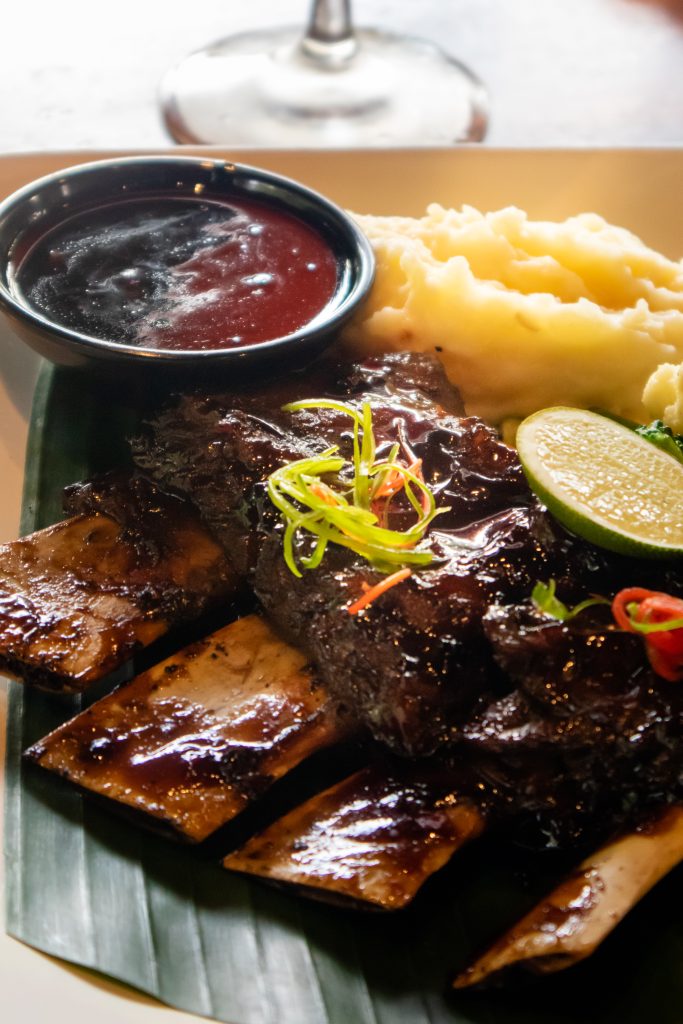
At D’alas, we pride ourselves on serving these authentic staples. For instance, Bebek Goreng (Crispy Duck) is a mandatory trial for any foodie. This dish represents the agricultural history of Ubud, where ducks play a vital role in the rice paddy ecosystem. We marinate the duck in local spices for hours before frying it to a perfect crisp.
In addition to duck, Sate Lilit is a cornerstone of the local diet. Unlike the skewered meat chunks found in other countries, Sate Lilit consists of minced meat (often fish or chicken) mixed with grated coconut and spices, then wrapped around a bamboo or lemongrass stick. The use of lemongrass adds a fragrant aroma that enhances the flavor profile. By trying these specific dishes, you engage deeply with Bali food tourism and gain a better appreciation for the local craftsmanship.
Why Ubud is the Heart of the Scene
While you can find good food in Seminyak or Canggu, Ubud remains the undisputed capital of culture and cuisine. The region’s history as a royal center meant that the best cooks and the most complex recipes originated here. Consequently, Ubud attracts the most dedicated food travelers.
D’alas Restaurant is located in Tegalalang, just north of Ubud’s center. This location places us right in the middle of the agricultural landscape. Dining here allows you to see the source of your food. You can view the rice terraces and the fruit trees while you eat. This connection between the land and the plate is a crucial element of the experience. It teaches visitors that food is not just fuel; it is a gift from nature.
Moreover, Ubud’s cooler climate creates the perfect environment for growing spices. Ginger, turmeric, and cloves thrive in our gardens. When you dine at D’alas, you are often eating ingredients that were harvested just kilometers away. This freshness is unparalleled.
The Role of Atmosphere in Bali Food Tourism
A truly memorable meal requires more than just good taste; it requires the right setting. Bali food tourism is unique because it often integrates dining with nature. In many major cities, fine dining happens in enclosed, air-conditioned boxes. In Bali, we tear down the walls.
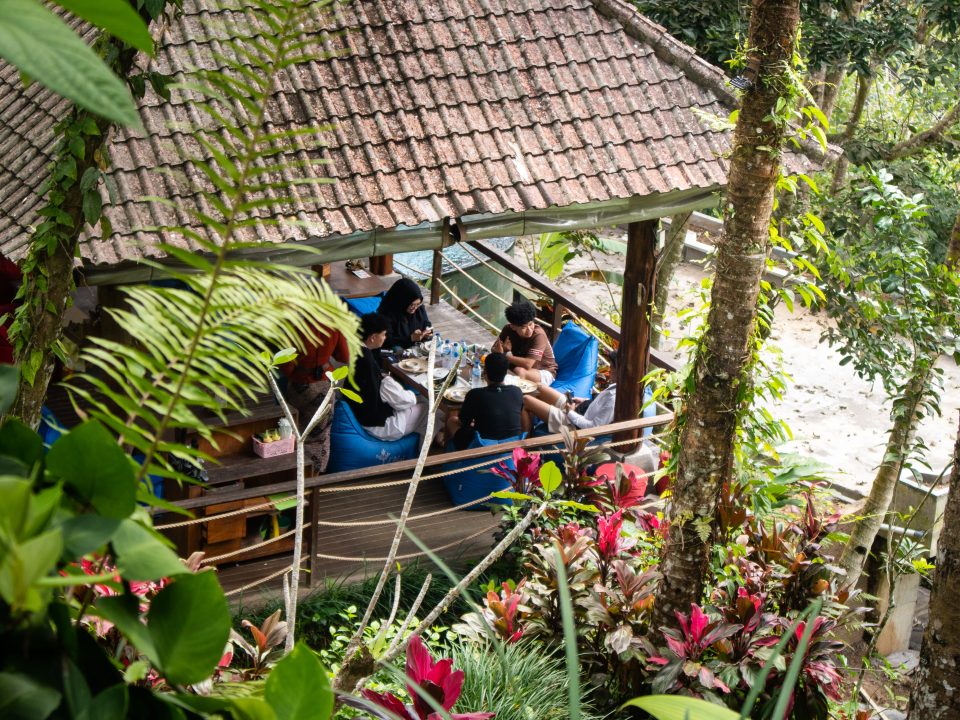
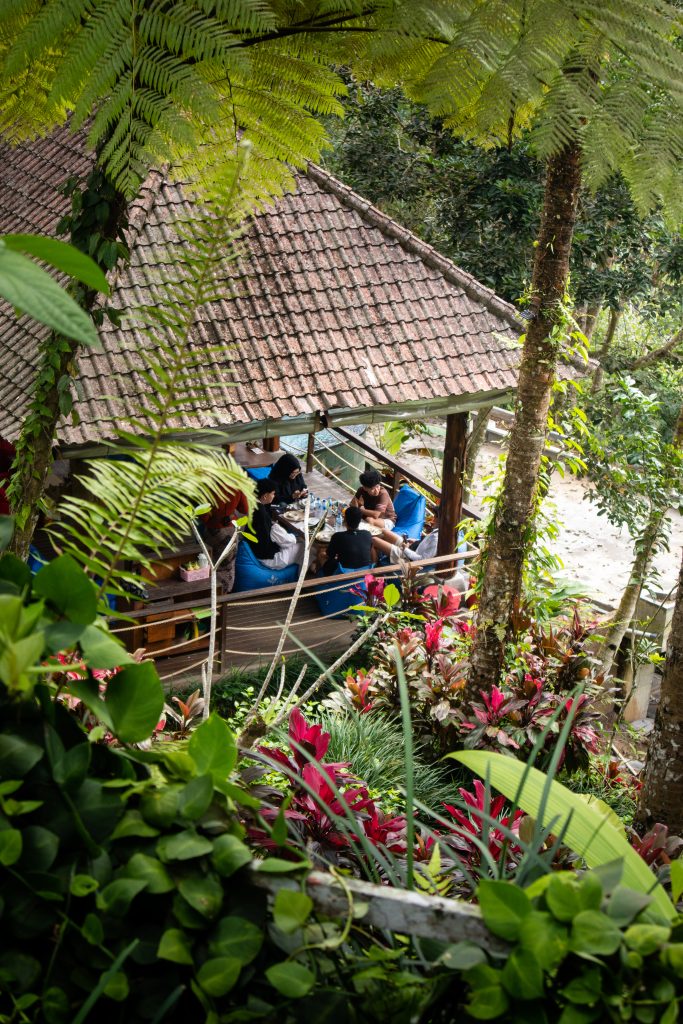
D’alas exemplifies this philosophy. Our restaurant is built with open-air bamboo structures that overlook the jungle valley. We believe that the sound of the river and the rustle of the coconut leaves enhance the flavor of the food. When you are relaxed, your palate is more open to new tastes.
This atmospheric element is what makes food tourism here so special. It transforms lunch into a meditation and dinner into a romantic escape. It allows travelers to slow down and savor the moment, which is the ultimate goal of any vacation.
Sustainability and Ethics in Bali Food Tourism
As the industry grows, so does the responsibility to protect the island. Sustainable Bali food tourism is becoming a major focus for conscientious travelers. Visitors want to know that their meal supports the local community and does not harm the environment.
At D’alas, we take this responsibility seriously. We prioritize eco-friendly practices throughout our operations.
-
Local Sourcing: We buy from local farmers to reduce our carbon footprint and support the village economy.
-
Waste Management: We minimize plastic usage and manage organic waste responsibly.
-
Cultural Respect: We employ local staff and maintain traditional cooking methods to ensure that heritage recipes are preserved for the next generation.
By choosing restaurants that value sustainability, tourists become part of the solution. They ensure that the beautiful island they love remains pristine for future visitors.
A Guide for First-Time Food Travelers
If this is your first time exploring Bali food tourism, it can be intimidating. The flavors are bold, and the spice levels can be high. However, there is no need to worry. Balinese hospitality is world-famous.
At D’alas, our staff is happy to guide you through the menu. We can adjust spice levels to suit your tolerance while maintaining the integrity of the flavor. We recommend sharing dishes “family style.” This is the traditional way to eat in Indonesia. Order a variety of plates—some meat, some vegetables, some rice—and share everything with your group. This allows you to taste a wider spectrum of flavors in a single sitting.
Don’t forget to try the local beverages as well. A fresh whole coconut is the perfect pairing for spicy food. Alternatively, try Jamu, a traditional herbal tonic made from turmeric and tamarind, known for its health benefits.
Experience the Best of Bali Food Tourism
Ultimately, travel is about connection. You connect with new landscapes, new people, and new cultures. Food is the bridge that makes these connections possible. When you share a meal in Bali, you are participating in a ritual that has bonded communities for centuries.
D’alas Restaurant invites you to be a part of this story. We offer more than just a table; we offer a window into the soul of the island. From the first bite of sambal to the last sip of tropical juice, we ensure that your culinary journey is unforgettable.
Are you ready to taste the real Bali? The jungle is calling, and the kitchen is ready.
Plan Your Bali Food Tourism Itinerary
Make your trip complete by securing a table at one of Ubud’s most scenic dining spots. Our valley-view tables are highly sought after and fill up quickly.
Don’t miss out on this essential culinary experience.
Click here to visit our website and book your Bali food tourism experience at D’alas Restaurant.