
7 Reasons Unique Outdoor Dining Bali Creates an Unforgettable Culinary Experience
Bali has always been known for its serene landscapes, vibrant culture, and unforgettable food. But for travelers seeking something beyond a typical restaurant visit, unique outdoor dining Bali offers a deeper, more immersive experience. Whether it’s a forest-edge lunch, a riverside dinner, or a nature-surrounded tasting menu, outdoor dining reveals a different side of the island that many visitors never get to see.
If you’re exploring Bali to find meaningful dining moments rather than just good meals, this guide will show you what makes outdoor culinary experiences truly special—and why they’re becoming a top choice for food lovers worldwide.
👉 Ringkasan Singkat:
● Unique outdoor dining Bali combines nature, culture, and local cuisine
● Experiences vary from forest dining to jungle-view restaurants
● Perfect for travelers seeking authentic and natural settings
● Ideal for relaxation, photography, and cultural immersion
What Defines Unique Outdoor Dining in Bali?
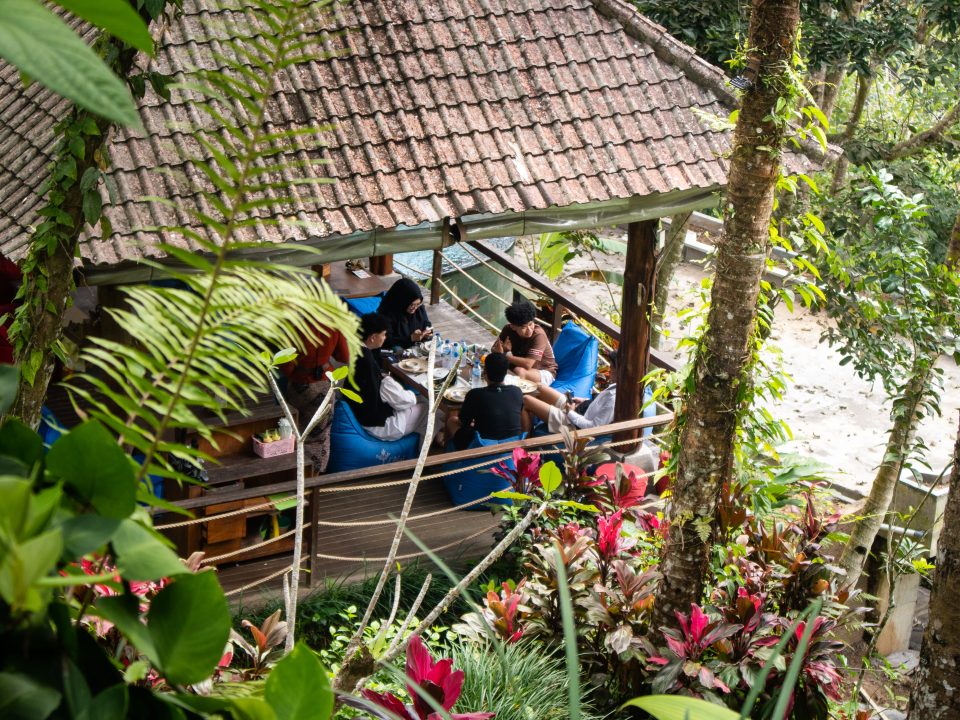
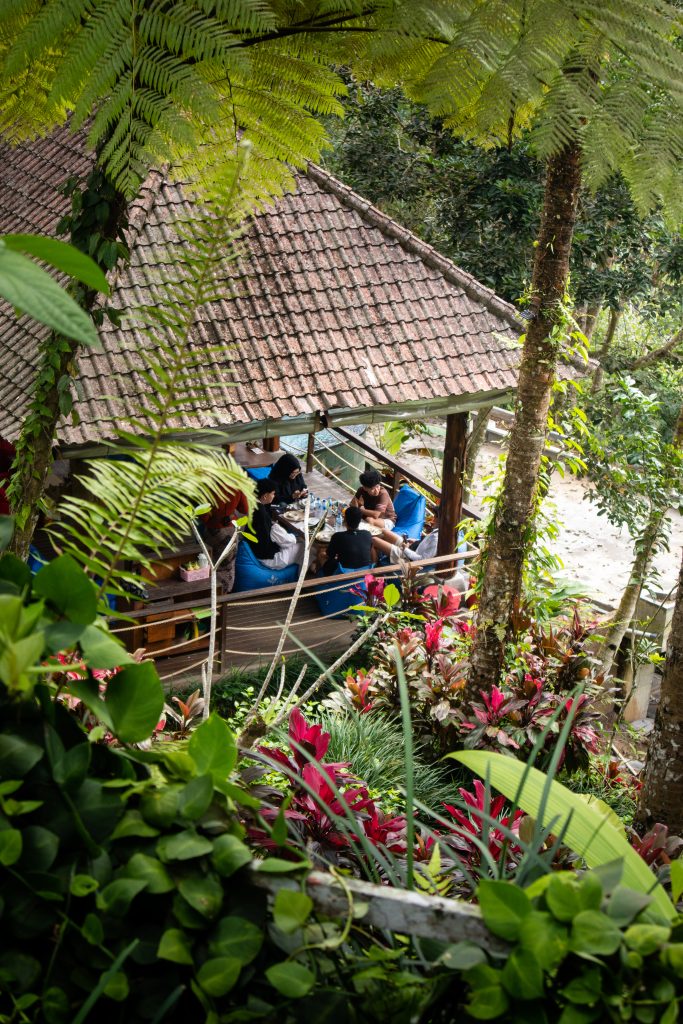
Unique outdoor dining in Bali refers to restaurants and culinary spaces set within natural environments—such as forests, rice terraces, riversides, or garden landscapes—where guests can eat in open-air settings. It blends local flavors with nature-based ambiance, allowing visitors to enjoy Bali through multiple senses: taste, sight, sound, and atmosphere.
This dining style emphasizes authenticity, relaxed settings, and a stronger connection to the island’s culture. Many restaurants refine the concept with crafted menus, eco-friendly décor, and immersive scenery. As a result, outdoor dining becomes more than a meal—it becomes part of the Bali experience itself.
Why Travelers Love Bali’s Open-Air Dining Experiences
● Closer to nature – Guests enjoy fresh air, forest views, and natural sounds.
● Authentic local atmosphere – Outdoor settings feel more traditional and cultural.
● Photogenic locations – Scenic spots perfect for travel and lifestyle photography.
● Relaxing ambiance – Open-air dining naturally reduces stress and enhances mood.
The charm of outdoor dining lies in the balance between simplicity and elegance. Travelers often feel more grounded and connected to the island when they dine in nature. The ambiance fosters slow dining, mindful appreciation of flavors, and deeper connection to the surroundings.
In many cases, this style of dining becomes a highlight of the trip, especially for those seeking meaningful moments away from the busier parts of Bali.
Real Experiences with Unique Outdoor Dining in Bali
I’ve explored multiple unique outdoor dining Bali experiences over the years, and each visit revealed something new. Here are some insights I noticed:
● Forest-side dining offers a sense of calm that urban restaurants simply can’t replicate.
● Dishes taste more vibrant when combined with the fresh air and natural scenery.
● Many nature restaurants emphasize local ingredients, making the flavors feel more genuine.
From these experiences, I believe unique outdoor dining helps travelers understand the heart of Bali. It’s not just about the food—it’s the atmosphere, hospitality, and connection to nature that transform it into something memorable.
How to Choose the Right Outdoor Dining Spot in Bali
Step 1: Identify the setting you want
Forests, rice terraces, riversides, and cliff-edge gardens each offer different vibes. Choose based on the experience you’re seeking.
Step 2: Check the menu style
Some outdoor restaurants focus on Balinese cuisine, while others offer fusion, international, or plant-based dishes.
Step 3: Review accessibility and safety
Outdoor settings may require short walks or uneven paths—check comfort and accessibility beforehand.
Step 4: Consider the time of day
Mornings are fresh, afternoons are scenic, and evenings offer soft lighting ideal for romantic dinners.
Choosing the right setting ensures your experience matches your expectations, whether you’re looking for relaxation, adventure, or cultural immersion.
Risks to Consider and How to Handle Them
● Weather changes → Choose venues with sheltered outdoor spaces or flexible seating.
● Mosquitos in nature areas → Bring repellent or select restaurants that provide natural protection.
● Humidity and heat → Prefer morning or late-afternoon dining for a more comfortable experience.
● Crowds in popular spots → Book reservations early to secure peaceful seating.
These risks are mild and manageable, especially with proper planning. Most outdoor restaurants in Bali are well-prepared and experienced in hosting guests in natural settings.
Tips to Maximize Your Unique Outdoor Dining Experience
● Wear light, breathable clothing
● Visit during golden hour for the best atmosphere and photos
● Choose restaurants with nature-integrated seating
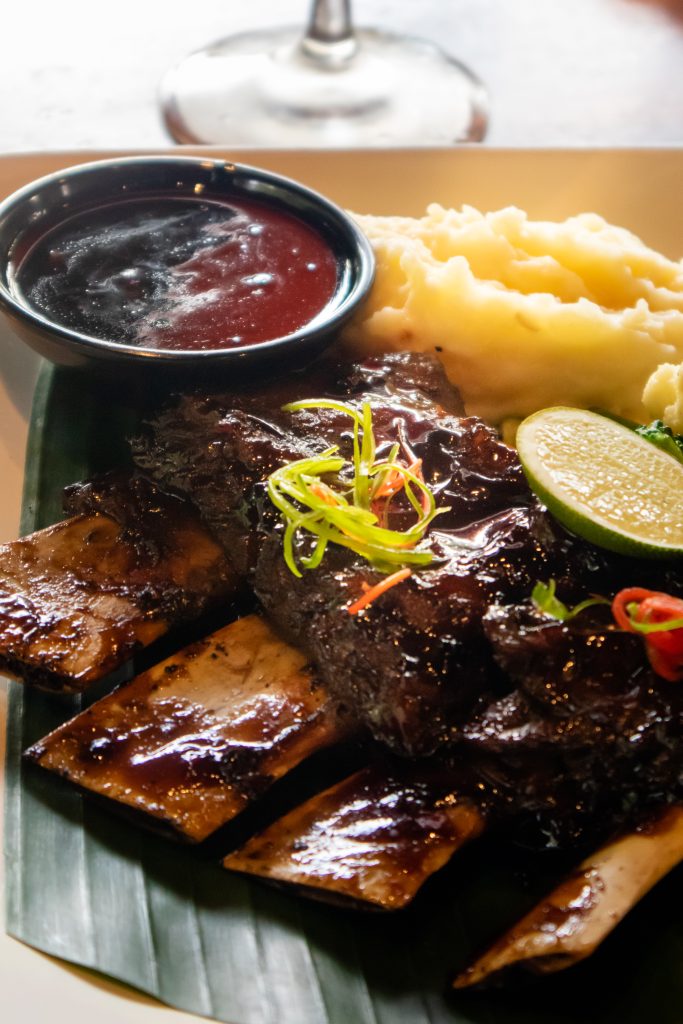
● Try signature dishes featuring fresh local ingredients
● Pair your meal with herbal drinks or tropical fruit blends
● Avoid peak hours for more privacy and comfort
Pertanyaan yang Sering Ditanyakan (FAQ)
1. Is unique outdoor dining Bali safe?
Yes. Most venues are designed with safety in mind, offering stable seating, lighting, and natural protection.
2. What makes outdoor dining different from indoor restaurants?
Outdoor dining offers natural ambiance, open air, and scenic views that create a more immersive experience.
3. How long does the dining experience usually take?
Most guests spend 1–2 hours enjoying the food and scenery.
4. Who is outdoor dining suitable for?
Ideal for couples, families, nature lovers, food travelers, and anyone seeking authentic Balinese ambiance.
Kesimpulan
D Alas is one of the most memorable ways to connect with the island’s natural and cultural charm. With benefits such as scenic views, authentic atmosphere, and deeply relaxing ambiance, outdoor dining becomes more than a meal—it becomes an experience worth seeking.
If you want to enjoy it fully, choose the right setting, plan your timing, and embrace Bali’s nature as part of the dining moment.
CTA
Have you ever tried outdoor dining in Bali? Share your experience or ask for recommendations—I’ll help you find the perfect spot.