Cultural Spice Experience: A Journey Through Bali’s Authentic Flavors
1. Introduction: What Is a Cultural Spice Experience?
A Cultural Spice Experience is more than just tasting food—it is an immersive journey into the culinary heritage of a region, exploring the stories, ingredients, and techniques that define its identity. In Bali, this experience combines aromatic spices, local ingredients, and traditional cooking methods to create meals that are not only delicious but also culturally significant.
For travelers, food is a gateway to understanding a culture. The Cultural Spice Experience emphasizes Bali’s rich culinary heritage, allowing guests to explore unique flavors while learning about local traditions and culinary artistry. From bustling markets to traditional kitchens, every dish tells a story.
2. The Importance of Spices in Balinese Culture
Bali is known for its aromatic, vibrant, and sometimes fiery cuisine. Spices play a central role in shaping flavors and defining dishes. Some key aspects include:
2.1 Traditional Balinese Spices
-
Turmeric: Provides golden color and earthy taste
-
Galangal: Adds sharpness and aroma
-
Lemongrass: Offers fresh, citrusy notes
-
Kaffir lime leaves: Infuse zesty flavor
-
Shallots, garlic, and chili: Essential for traditional sambals
2.2 Cultural Significance
Spices are not only for flavor—they carry cultural meaning. Many Balinese ceremonies and offerings involve specific spice blends, reflecting their importance beyond the kitchen.
2.3 Medicinal Uses
Traditional Balinese medicine often uses spices for health benefits, creating a holistic connection between food, wellness, and culture.
3. Key Components of a Cultural Spice Experience
A comprehensive Cultural Spice Experience typically includes the following elements:
3.1 Learning About Local Ingredients
Guests explore markets, farms, and gardens where spices are grown. Learning about their origin, cultivation, and uses deepens appreciation for each flavor.
3.2 Hands-On Cooking Classes
Many experiences offer classes where visitors grind spices, mix pastes, and prepare traditional dishes such as:
-
Ayam Betutu: Slow-cooked spiced chicken
-
Sate Lilit: Minced seafood or meat skewers
-
Bebek Bengil: Crispy duck with spice rub
-
Lawar: Mixed vegetable and coconut dish
These classes emphasize balancing flavors, understanding spice ratios, and respecting traditional methods.
3.3 Guided Tastings
Participants taste spice blends individually and within prepared dishes, learning to identify aromas, heat levels, and textures. This sensory exploration makes flavors memorable.
3.4 Cultural Storytelling
Culinary guides share stories behind each dish, explaining the historical, religious, and social significance of spices and cooking methods in Balinese culture.
4. Why Travelers Seek a Cultural Spice Experience
4.1 Deep Cultural Immersion
Food is an intimate way to connect with a culture. By learning about spices, ingredients, and cooking traditions, travelers gain insights into Bali’s heritage beyond typical tourist attractions.
4.2 Unique Culinary Knowledge
Guests leave with practical skills, recipes, and a better understanding of spice blending techniques that can be applied at home.
4.3 Engaging All Senses
The experience appeals to taste, smell, sight, and touch. Grinding spices, watching food preparation, and tasting multiple dishes create a multi-sensory adventure.
4.4 Memorable Travel Experience
Combining learning, tasting, and exploration makes the Cultural Spice Experience an unforgettable part of a Bali itinerary.
5. Ideal Locations for a Cultural Spice Experience
While this experience can take place throughout Bali, some locations are particularly suitable:
5.1 Ubud and Surrounding Areas
Known for lush rice terraces, local markets, and artisan villages, Ubud offers the perfect backdrop for immersive culinary experiences.
5.2 Local Farms and Gardens
Many experiences are hosted on spice farms, where visitors can pick fresh herbs and see spices growing in their natural environment.
5.3 Traditional Kitchens
Balinese kitchens provide an authentic setting for cooking classes, allowing guests to interact with local chefs and learn techniques passed down through generations.
5.4 Culinary Markets
Markets are hubs of spices, fresh produce, and traditional snacks. Guests can sample ingredients raw and learn about their uses in daily life.
6. Key Dishes in a Cultural Spice Experience
Understanding local cuisine is essential. Some highlights include:
-
Ayam Betutu: Spiced chicken with rich, aromatic paste
-
Sate Lilit: Skewered minced meat or seafood flavored with spices
-
Babi Guling: Traditional roast pork with turmeric and garlic
-
Lawar: Combination of vegetables, coconut, and spice blends
-
Jamu-infused beverages: Herbal drinks featuring turmeric, ginger, and tamarind
Each dish emphasizes the balance of heat, aroma, and texture, showcasing the versatility of Balinese spices.
7. Complementary Experiences
A Cultural Spice Experience often includes additional elements:
7.1 Market Tours
Visiting local markets to select ingredients enhances understanding of freshness and seasonality.
7.2 Hands-On Workshops
Visitors grind spices, prepare pastes, and cook traditional dishes under guidance.
7.3 Tasting Events
Curated tasting sessions highlight different spice combinations, providing insights into flavor harmony.
7.4 Cultural Storytelling Cultural Spice Experience
Guides explain the significance of dishes and rituals, connecting food to local history and traditions.
8. Designing a Cultural Spice Experience
Restaurants, resorts, or tour operators implementing this concept should focus on:
-
Authenticity: Use traditional recipes and local spices
-
Education: Include explanations, demonstrations, and interactive elements
-
Engagement: Allow guests to touch, smell, and taste spices directly
-
Cultural Context: Share stories about the role of food in Balinese culture
-
Sustainability: Source ingredients locally and reduce waste
9. Benefits of the Cultural Spice Experience
-
Culinary Knowledge: Guests learn new cooking techniques and spice combinations
-
Cultural Understanding: Insight into Balinese traditions and daily life
-
Sensory Engagement: A complete multi-sensory adventure
-
Memorability: Unique experiences that stay with travelers long after their visit
-
Photography Opportunities: Colorful dishes and traditional settings provide perfect photo moments
10. Examples in Bali Cultural Spice Experience
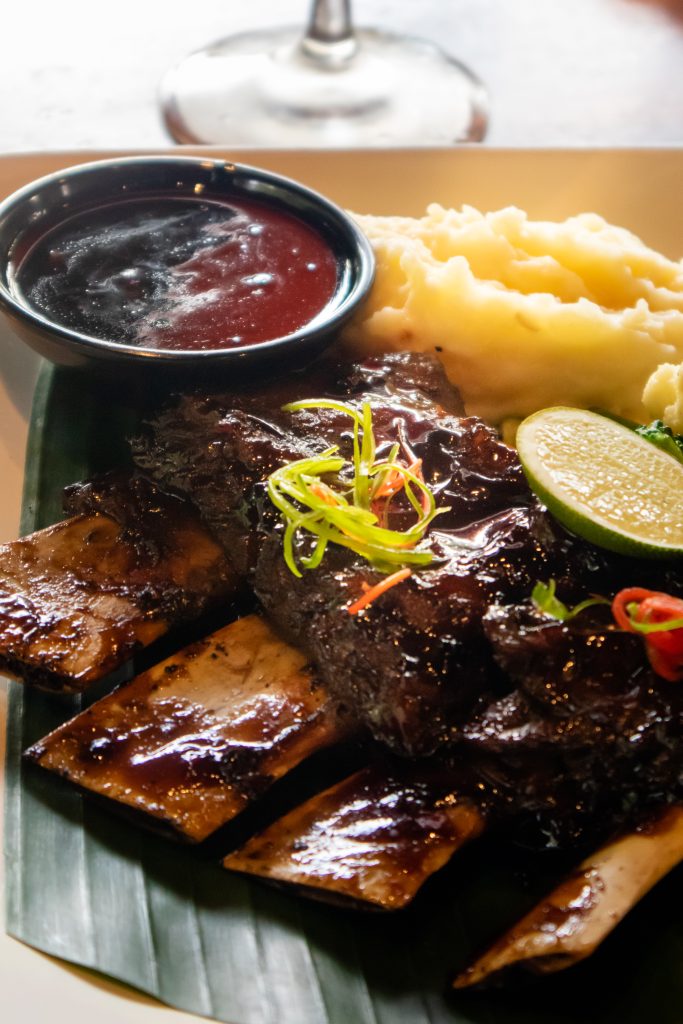
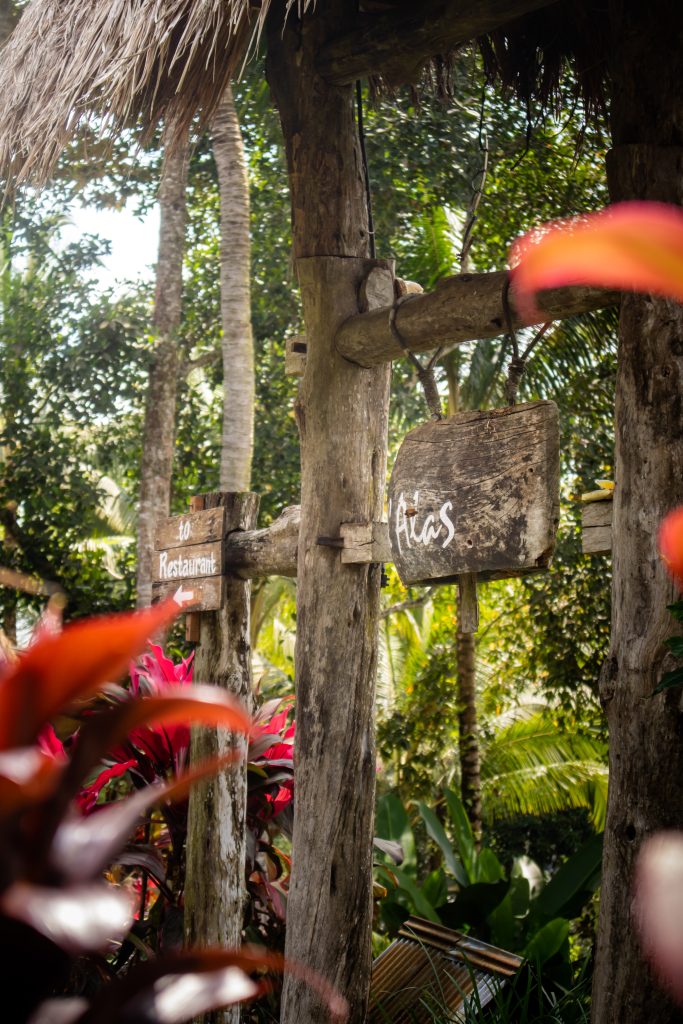
Popular examples include culinary tours and cooking classes around Ubud that combine market visits, spice selection, and cooking lessons. Restaurants like D’Alas Restaurant incorporate spice storytelling into menus, offering guests both flavor and cultural insight.
Pages about local cooking classes, guided culinary tours, or Balinese cuisine
Travel guides or blogs discussing Ubud’s spice markets or cultural experiences
11. Tips for Guests Cultural Spice Experience
-
Wear comfortable clothes suitable for cooking and walking in markets
-
Bring a notebook to record spice combinations and recipes
-
Ask questions about local traditions, ingredients, and cooking techniques
-
Be open to tasting new flavors, including those with heat or unusual textures
-
Capture photos for memories, but respect local privacy and traditions
12. Conclusion Cultural Spice Experience
A Cultural Spice Experience is a holistic way to explore Bali beyond the typical tourist path. It combines cooking, tasting, storytelling, and nature in a seamless, immersive journey. Guests leave not only with a greater appreciation for Balinese cuisine but also with personal memories, recipes, and an understanding of the island’s rich culinary heritage.
By integrating local ingredients, traditional spices, and interactive learning, this experience ensures every meal is an unforgettable journey. Whether visiting Ubud’s markets, participating in a cooking class, or savoring dishes in a jungle-view restaurant, the Cultural Spice Experience connects food, culture, and nature in a meaningful way.